 Proudly American

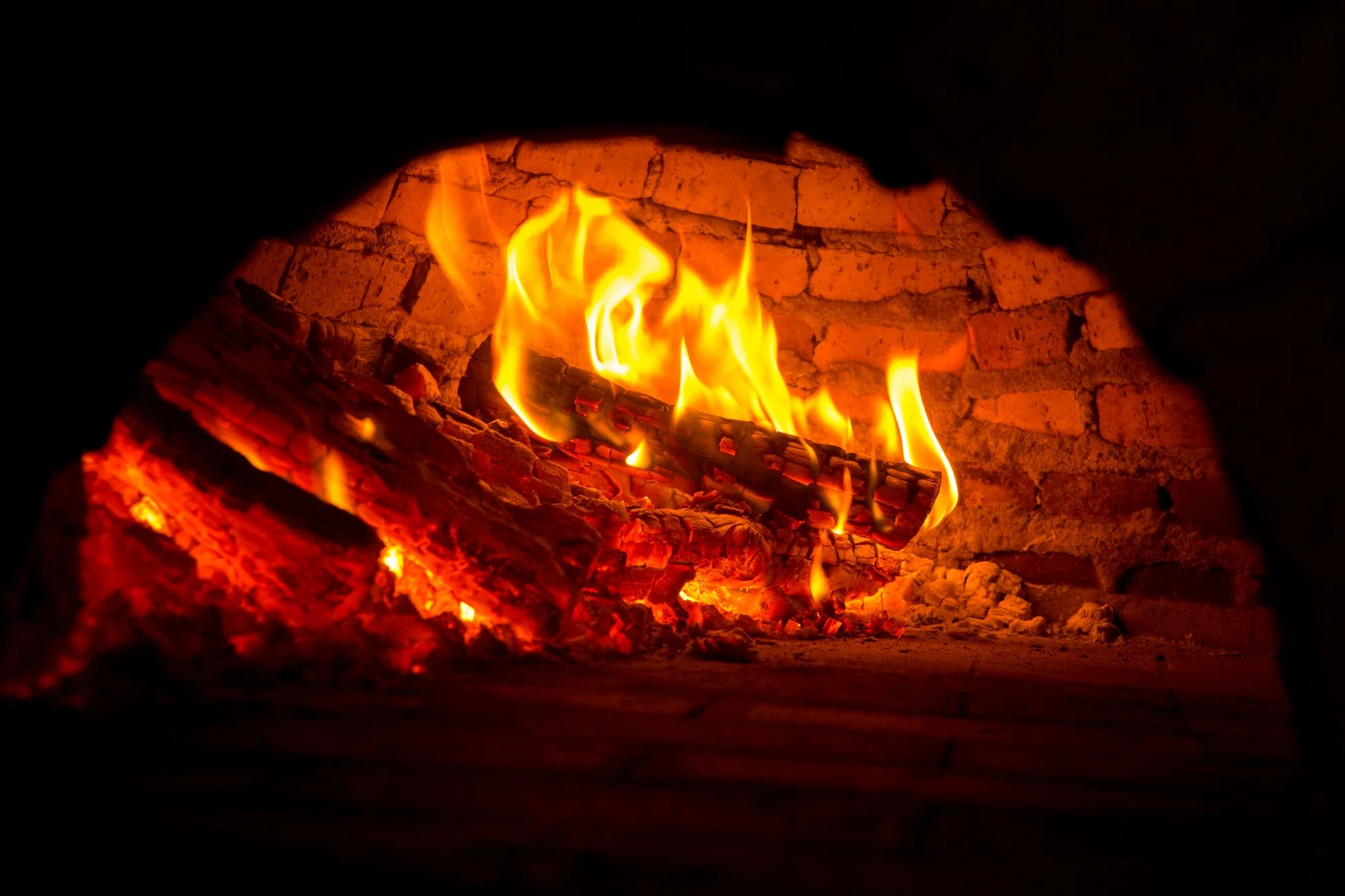
Make a room-side observation
Write down where the odor is strongest and what changed in the room or house around that time. Note a wet-looking firebox, an unfamiliar closure or a recent cleaning without touching internal parts. If smoke is actively filling the house or an alarm sounds, get outside and use emergency services as appropriate.
Set the assessment apart from a cleaning order
CSIA explains that odor can involve deposits as well as the way air moves through the home. Cleaning may be one recommendation, but a sweep receipt alone does not explain why air travels into the room. Ask the provider to separate observed deposits, signs of moisture and possible airflow influences.
What changes the diagnosis on a second visit?
A professional cleaning may remove the deposits it was intended to address while an odor returns on a rainy day when the fireplace is cold. That warrants a new observation about air movement or dampness; it does not, by itself, mean the same cleaning should be repeated. Save the date and scope of the sweeping work. Note whether the odor is confined to the hearth or noticed at a nearby opening, and whether there is a visible change in the firebox. Avoid sprays or fragrances immediately before an assessment because they can obscure the original complaint.
Bring the records that fit the change
If the odor followed work on the home, South Daytona's Building page links to permit search and the department's contact for scope questions. An actual record or dated work description is more useful than assuming something was altered inside the chimney. Share the timeline before agreeing to a remedy.
Discuss a different remedy for each finding
If the provider finds an accessible deposit, ask whether cleaning is the next decision. If the room is drawing air down a cold passage, ask what part of the house or chimney needs evaluation. If the firebox shows new moisture, find out how a rain-entry investigation fits the scope. A proposal to install or seal a damper needs to identify the existing appliance, the intended use of the flue and the finding the change is meant to address.
What to collect from a finished appointment
Ask for a plain-language distinction between what was seen, what was reported and what is still uncertain. If correction belongs to another trade, ask for the precise question that trade needs to answer. Keep the fireplace out of use if smoke has entered during operation or the provider cannot yet advise on its use.